 Radio News Network Radio News Network
RNN Report
MULTAN — Layyah’s people have lived with the moods of the Indus for centuries. They know when to brace for its summer swell and when to welcome its retreat. But this year, the river changed its mind entirely, spilling into places it had never reached before. The culprit, locals say, is not nature’s wrath but man’s overconfidence — a bridge so poorly conceived that it has turned safe communities into ghost settlements.
A River Finds a New Route
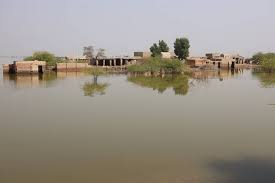
In villages like Sehmal Nashaib, 92 per cent of crops have been wiped out. Karor tehsil has seen 75 families lose their homes entirely, yet help has not arrived. Weeks after the flood swept in, farmers are still waiting for compensation for crops, livestock, and damaged property. Instead of relief, they are watching the breach in the protective dyke — a gaping 800 feet wide — remain open, as if officials are hoping the river will simply lose interest and go back to its old course.
A Bridge Too Short for a Mighty River
The bridge was built to connect two cities more conveniently, but the design ignored the reality of the river it crossed. A structure just two kilometres long was placed across a river nearly 24 kilometres wide, with the rest of the channel blocked by “supportive” dykes and approach roads. This narrowed the flow, set up dangerous bottlenecks, and cut off the natural path of the water. When the Indus came roaring down with 400,000 cusecs, it broke through the dyke, spilling into villages that had always stayed dry in the past.
Warnings Brushed Aside
For years, residents had pointed out the risks, warning that the narrowed channel would push water sideways into human settlements. Even legal petitions had been filed to halt construction until the design flaws were fixed. But the work went on, as if progress could be willed into existence by ignoring inconvenient truths. Now the same residents are calling for the dyke to be rebuilt, flood barriers to be strengthened, and a judicial inquiry to find out who signed off on the bridge.
Communities Uprooted Overnight
The floods have done more than drown fields; they have uprooted entire communities. Mud-brick homes have caved in, grain stores have spoiled, and livestock have been swept away. For many families, decades of savings and security have been washed downriver in a matter of hours. They are now scattered, staying with relatives or in makeshift shelters, waiting for a response that never seems to arrive.
Floodplain Hypocrisy
Adding insult to injury, the very authorities who have told villagers not to build in floodplains have themselves laid down roads and embankments in the same riverbed — all to support the bridge project. In effect, the river’s space was squeezed to make way for construction, then blamed for reacting badly when the rains came.
Money on Paper, Water on the Ground
Meanwhile, the government has announced over Rs150 million for new and repaired dykes to protect Layyah and Karor Lal Esan. But allocations on paper are not sandbags on the ground, and until work starts in earnest, the breach remains an open door for the river to walk through again.
The Lesson the River Keeps Teaching
The disaster has also exposed a larger flaw: infrastructure that looks good in political speeches but falls apart under real-world conditions. A bridge that was supposed to bring people closer has, instead, driven them apart — from their homes, their fields, and their livelihoods. In Layyah, the Indus has not just found new watercourses; it has found new victims. Unless lessons are learned quickly, the next flood season may bring a repeat performance, with the river once again turning man’s grand plans into a soaking reminder of who really shapes the land.