 Radio News Network Radio News Network
Debt load, inflation push up price tag even before first ounce is mined
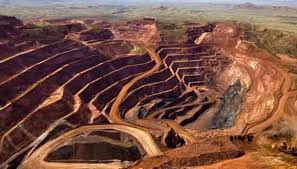
ISLAMABAD —The estimated cost of the first phase of Pakistan’s Reko Diq copper and gold project has shot up to $7.7 billion — almost 80% higher than the original figure — as borrowing expenses, inflation and contingency provisions pile on, finance ministry sources said.
Officials explained that the project outlay had been marked up mainly because of pricier loans and additional pre-production spending. “Debt financing needs have gone up by nearly $2 billion, while operating and inflationary costs during construction have also crept in,” one senior official pointed out.
Capital expenditure is now placed at $5.8 billion. The debt portion has been pushed up from $3 billion to $3.5 billion, adding around $180 million in interest. Shareholders’ equity commitments have also been revised upward by about $460 million.
The project, once pegged at $4.3 billion two and a half years ago, has therefore swelled by $3.4 billion even before a single ounce of copper or gold is extracted.
Barrick Gold, which holds a 50% stake and operates the venture, has already wrapped up a fresh feasibility and technical study. Production is expected to kick off by end-2028, with Phase-I alone set to churn out 200,000 tonnes of copper annually.
A second phase, penciled in for 2034, will require another $3.3 billion and lift capacity to 90 million tonnes per annum. By then, the total project cost could climb close to $10 billion.
Despite the soaring figures, officials remain upbeat about the payoff. A technical report estimates Reko Diq’s net cash flow at $70 billion over 37 years — nearly ten times Pakistan’s current foreign exchange reserves. “If executed well, this single project could change the economic outlook of Balochistan and beyond,” a finance ministry insider stressed.
To make the scheme commercially viable, the mining company has agreed to roll out $390 million in bridge financing for Pakistan Railways. The funds will go into laying a 1,350-km track to Karachi port and upgrading the ML-III section, without which the line cannot carry heavy freight from the mine. The three-year loan, priced at about 7% interest, will be repaid once rail operations pick up.
The Economic Coordination Committee (ECC), which cleared the revised costs and financing terms last week, was told the contingency build-up was meant to guard against future shocks. Finance ministry officials said the government now wants to move ahead swiftly with implementation agreements to keep the project on track.