 Radio News Network Radio News Network
RNN Report
ISLAMABAD: As Pakistan prepares for another intense monsoon season, experts warn that climate anxiety is emerging as a silent crisis, compounding the country’s already strained mental health system.
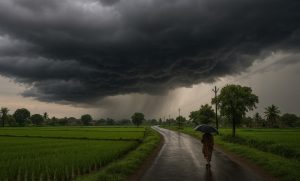
The National Disaster Management Authority has projected 22–26% above-normal rainfall for the 2026 monsoon, a forecast that has forced many flood-affected families to relive the trauma of back-to-back extreme weather events. Officials cite climate change as a key driver of more intense monsoon patterns, heightening risks of flash floods and glacial lake outbursts.
“The fear of another disaster begins long before the first raindrop falls,” says Dr. Khalid Mufti, psychiatrist and chairman of Horizon, an NGO providing psychosocial support in flood zones. “People constantly check forecasts, scan the skies and brace themselves for loss. That chronic state of anxiety drags down their daily lives.”
Pakistan’s recent flood history underscores the depth of the problem. The catastrophic 2022 floods affected over 33 million people, displaced millions and destroyed more than two million homes, while causing massive health and economic disruption across the country. In 2025, monsoon rains again wreaked havoc, killing over 1,000 people, injuring more than 1,000 and leaving millions displaced as entire communities were swept away.
These repeated shocks amplify what mental health professionals describe as climate anxiety — persistent fear, stress, and trauma linked to environmental instability. Research from past flood-affected regions in Pakistan shows elevated rates of depression, anxiety and post-traumatic stress following disasters, with some studies reporting up to 61% prevalence of major depressive disorder among survivors.
Yet support systems are woefully insufficient. Pakistan has fewer than 500 psychiatrists for a population exceeding 240 million, and many rural districts hit hardest by floods have no qualified mental health professionals at all. This treatment gap — compounded by cultural stigma, economic hardship, and weak governance — leaves millions unable to access basic care.
“Climate anxiety is not optional; it’s a public health issue,” Dr. Mufti emphasizes. “Without psychological preparedness and support woven into disaster planning, people will be left to cope on their own long after the rain ends.”
As climate volatility accelerates, experts argue that strengthening mental health services is as urgent as reinforcing flood defenses — because emotional resilience shapes how communities recover, rebuild and face future uncertainty.