 Radio News Network Radio News Network
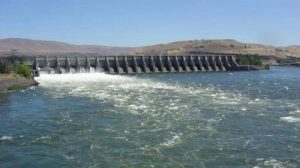
Cognitive dissonance undermines adaptation: engineers cling to control while heat, drought, and riverine collapse demand urgent change.
Riaz Missen
Heat is steadily settling over the Indus plains. Unlike the sudden violence of floods or storms, this transformation arrives quietly yet persistently: dry winters harden the soil, heatwaves stretch across weeks, and monsoons arrive late but linger too long. Crops reveal the strain first. Wheat ripens prematurely, leaving fragile grains; cotton drops its flowers under relentless temperatures; rice paddies endure nights that refuse to cool. Farmers respond instinctively by adjusting sowing and harvesting times, rewriting crop calendars in search of stability. Yet these adjustments remain temporary responses. The seasonal rhythm that once guided agriculture is faltering, and the hydraulic state that promised control over water is beginning to show its limits.
For decades, Pakistan’s agricultural prosperity rested on the idea that water could be commanded. Following the Indus Waters Treaty, the country invested heavily in dams, barrages, and one of the world’s largest canal networks. These structures redistributed the waters of the Indus River across vast plains, transforming semi-arid landscapes into fertile farmland. Laws codified this authority, institutions enforced it, and the system appeared remarkably stable. Water moved where it was directed, fields flourished, and the hydraulic state stood as a symbol of engineering mastery.
The emerging climate reality, however, is revealing the limits of this model. Dry winters drain the soil of its subtle moisture. Prolonged heatwaves push crops beyond their physiological thresholds. Monsoons that arrive late but persist too long disrupt agricultural cycles already strained by heat. Irrigation channels still deliver water, but water alone cannot cool landscapes or recreate the delicate ecological balance that once moderated the basin. The river, too, has changed.
Long before heat stress intensified, the river’s natural pulse had been steadily constrained. Floodplains were narrowed behind embankments, wetlands drained to expand cultivation, and riverine forests cleared away. Engineering works replaced seasonal flows with rigid distribution systems designed for efficiency rather than ecological balance. While the hydraulic state excelled at moving water, it gradually silenced the river’s living rhythms. Wetlands that once absorbed floods, floodplains that softened extremes, and forests that moderated temperature disappeared from the landscape. Their absence now amplifies the impact of heat, leaving soils brittle and crops exposed.
The consequences are most visible downstream in the Indus River Delta. Once nourished by freshwater and sediment, the delta now struggles under saltwater intrusion and declining flows. Mangrove forests shrink, fisheries weaken, and coastal ecosystems falter. These ecological fractures do not remain confined to the coast. They ripple upstream, subtly altering humidity, hydrology, and local climate dynamics across the basin.
This unfolding crisis exposes a deeper paradox. The same legal frameworks and engineering institutions that symbolized mastery over water now hinder adaptation. Pride in control makes it difficult to loosen restrictions, yet flexibility is precisely what the basin now requires. Restoring wetlands, reconnecting floodplains, and reviving deltaic flows are no longer optional environmental goals; they are essential for survival.
Farmers continue to adapt in practical ways, shifting planting schedules and adjusting irrigation patterns. Yet without ecological buffers, these measures provide only temporary relief. Heat spreads faster than infrastructure can respond. Canals may deliver water, but they cannot recreate the microclimates that once sustained agriculture.
The hydraulic state therefore faces a moment of transition. Infrastructure remains important, but resilience increasingly depends on cooperation with the river rather than domination of it. Governance must evolve toward a more participatory and ecological approach, where farmers, communities, and living landscapes become partners in managing water and land. Authority must soften into stewardship, allowing natural systems to help regulate heat, moisture, and flow.
Heat stress, in this sense, is more than an agricultural challenge. It is a mirror reflecting both the achievements and the blind spots of the hydraulic state. The future of the Indus Basin lies not in tighter control but in restoring the living systems — wetlands, floodplains, forests, and the delta — that once allowed the river to absorb shocks and sustain life across its plains.