 Radio News Network Radio News Network
RNN Report
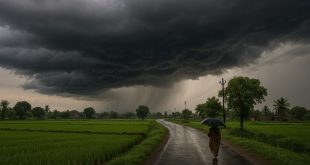
LAHORE — Punjab’s agricultural sector, the backbone of national food security, is under escalating threat as increasingly erratic monsoon rains deliver heavy downpours within hours, overwhelming fields and drainage systems.
On July 16, 2025, Sheikhupura received an extraordinary 217 mm of rain in a single day. Not long before, on August 1, 2024, Lahore was drenched with a record-breaking 337 mm within just a few hours. The number of days with rainfall exceeding 100 mm has surged, contributing to widespread flash floods and prolonged waterlogging.
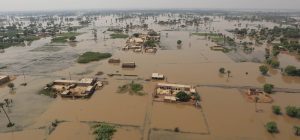
These intense rainfall events are swamping vast swathes of farmland in central Punjab—an area historically spared from such flooding. Farmers cultivating sensitive crops like cotton and sesame report devastating losses; plants rot in saturated soil, and small–scale growers face ruin. The situation is made worse by failing drainage: encroachments, silted channels, and broken rural infrastructure now trap rainwater even in lands once considered safe and well-drained.
This crisis is deepening as rivers in eastern Punjab—especially Ravi and Sutlej—are swelling under sustained upstream rainfall and dam discharges. The National Disaster Management Authority (NDMA) has issued a hydrological flood alert, reporting that the Sutlej River’s discharge surged from 28,657 to 33,653 cusecs in just one hour at Ganda Singh Wala, prompting warnings of imminent low-level flooding.
NDMA also cautioned that inflows in all major rivers—including Indus, Chenab, Ravi, and Sutlej—are rising, with feared escalation to medium flood levels in Ravi and Chenab nullahs.
The convergence of torrential rains and rising river levels poses a dire threat to agriculture. Rain that overwhelms drainage systems now faces nowhere to go—fields remain waterlogged, sowing and germination are delayed, and crops rot under standing water.
Moreover, saturated conditions invite fungal diseases, spoil stored produce, and compact soil—dulling fields for future planting.
With NDMA flagging both intense precipitation and elevated river flows, **Punjab’s farming economy stands on the edge of a catastrophe. Each new flood alert compounds the risks—not just for homes and lives, but for the crops that feed the nation.