 Radio News Network Radio News Network
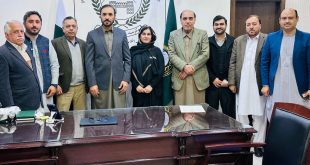
LAHORE – In a move that reeks of political maneuvering, Punjab Governor Sardar Saleem Haider Khan put pen to paper this evening, signing the Punjab Local Government Act 2025 (PLGA 2025) into law just days after its lightning-fast passage through the provincial assembly. The assent, announced late Monday, seals the deal on a controversial overhaul that critics decry as a blatant power grab by the PML-N-led government, thwarting the Election Commission of Pakistan’s (ECP) bid to kick off long-overdue local elections by December.
The timing couldn’t be more telling. Barely 12 days earlier, on October 8, a stern ECP bench chaired by Chief Election Commissioner Sikandar Sultan Raja cracked the whip, summoning Punjab’s top bureaucrats and laying down a non-negotiable timeline: complete delimitation under the repealed 2022 Act within two months, then roll out polls in the last week of December. “We’re embarrassed by these delays in Punjab and Islamabad,” Raja thundered, invoking Supreme Court warnings and Article 140A’s mandate for devolved, elected local governance. The order lit a fire under the process, with delimitation gearing up to start on October 9.
But the Punjab government, facing a potential drubbing at the grassroots—where PTI’s urban strongholds could chip away at PML-N’s dominance—didn’t waste a beat. On October 13, amid chaotic assembly sessions, lawmakers rammed through the PLGA 2025 in a single, marathon debate, brushing off opposition walkouts and demands for scrutiny. PTI’s Moonis Elahi lashed out, accusing Chief Minister Maryam Nawaz of cooking up a “thief’s charter” to cling to centralized control. The bill, gazetted swiftly, wiped out the 2022 framework, introducing non-party elections, bureaucrat-led district authorities, and strings-attached funding—all hallmarks of elite resistance to true devolution.
By October 21, the ploy paid off. The ECP, boxed in by Section 219 of the Elections Act 2017, had no choice but to pull the plug on its schedule. “We can’t run elections under a dead law,” an ECP spokesman fired back at critics like PTI Senator Ali Zafar, who slammed the commission for caving in. Punjab got a four-week lifeline—until November 18—to whip up new rules, a window the province milked for an extension plea to January 2026, citing its “vast size.” Sources whisper of backroom deals, with the government playing the flood card and logistical woes to string along the ECP.
This isn’t reform; it’s regression. Article 140A, the 18th Amendment’s crown jewel, spells out empowerment for elected locals—handing over political, administrative, and financial reins to break feudal-bureaucratic chains. Yet PLGA 2025 flips the script, propping up unelected Deputy Commissioners to override mayors, strip away party symbols to muddle voter choice, and hoard budgets in Lahore’s coffers. “The elite dig in because devolution would lay bare their patronage networks,” fumed FAFEN’s Muddassir Rizvi, noting a decade without polls has left 120 million Punjabis high and dry on services from sanitation to schools.
As gazette notifications roll out tomorrow, the ECP’s clock ticks down. Will courts step up to enforce constitutional teeth, or will this stall tactic drag on into 2026? For now, Punjab’s villages languish under administrator rule, a stark reminder that when elites circle the wagons, democracy takes the hit.