 Radio News Network Radio News Network
From tech to energy, global brands are folding up amid rising costs, currency woes, and regulatory chaos
ISLAMABAD — The quiet closure of Microsoft’s Islamabad office after a 25-year run has sent ripples across Pakistan’s struggling economy, symbolizing a broader trend of multinationals folding up operations and walking out of a market once seen as brimming with promise.
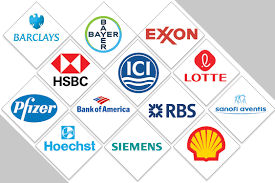
Over the past three years, some of the biggest global names have packed up and left—Shell, Telenor, Lotte Chemicals, Procter & Gamble, Siemens Energy, Unilever’s Lipton brand, and Reckitt Benckiser among them. Their pullouts are not isolated incidents, but rather the fallout of deepening economic and structural fault lines that Pakistan has failed to iron out.
Microsoft’s decision didn’t make headlines right away. It slipped out quietly, but its implications are anything but silent. As the tech giant bows out, it draws attention to the systemic challenges pushing investors away. For years, these firms helped shore up Pakistan’s economy—not just by bringing in foreign capital but by rolling out global practices, mentoring local talent, and raising the bar for domestic enterprise. Now, with their exit, much of that accumulated expertise is falling through the cracks.
The rupee, which has lost over half its value since 2021, has chipped away at the dollar-based revenue expectations of foreign firms. On top of that, tight capital controls have tied up billions in profits, pushing corporations into a corner. As their earnings get locked in and repatriation becomes a bureaucratic maze, parent companies are increasingly writing off Pakistan as too costly to hold onto.
Executives complain of being jerked around by shifting regulations, sudden tax demands, and unpredictable policy swings. For many, the operational headaches—frequent power outages, sky-high energy costs, and inflation eating into consumer wallets—have piled up beyond tolerable limits. Multinationals are now looking elsewhere, setting their sights on more predictable and growth-friendly destinations like Vietnam and Bangladesh.
Pakistan, once a magnet for foreign direct investment, is watching that reputation slip away. As one corporation after another pulls the plug, what’s left behind is more than just shuttered offices—it’s a gaping hole in investor confidence, institutional capacity, and hope for economic revival.
Unless Pakistan manages to sort out its policy landscape and shore up macroeconomic stability, the exodus is likely to drag on, casting a long shadow over the country’s prospects.