 Radio News Network Radio News Network
Commission given August 20 deadline to probe tunnel collapse, $74 million in kickbacks, and Rs167 billion burden on power consumers amid investor pullout
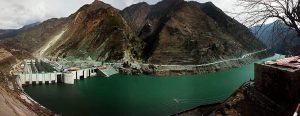
Islamabad, July 11, 2025 — Prime Minister Shehbaz Sharif has rolled out a high-level judicial commission, led by retired Justice Tariq Abbasi, to dig into the delays, cost blowouts, and ethical breaches tied to the Neelum Jhelum Hydropower Project (NJHP). Once projected as a flagship energy initiative, the 969 MW project has turned into a cautionary tale of mismanagement, with total costs ballooning beyond Rs500 billion, nearly tenfold its original estimate of Rs45 billion.
The commission has until August 20 to get to the bottom of what went wrong and point fingers at those who let the project fall apart.
Conceived in 2002 and formally launched in 2008, NJHP was meant to come online by 2018. However, a string of delays pushed it off course. The final blow came in May 2024, when the headrace tunnel caved in, stalling generation and triggering a fresh repair bill of Rs21.7 billion. The collapse has pushed back commissioning by at least two more years, dealing a major blow to the country’s power supply roadmap.
According to Auditor General of Pakistan reports, the project has been riddled with irregularities: kickbacks worth $74 million, shady contracts, ignored geological red flags, and poor oversight. Despite multiple red flags, including expert warnings about structural vulnerabilities, decision-makers pushed ahead without fixing the underlying design flaws. Whistleblower accounts and leaked documents suggest prior internal probes were brushed aside to shield influential contractors.
Due to the delay in NJHP’s operation, Pakistan has had to lean on expensive thermal energy, driving up power tariffs. Between FY2022–23 and FY2024–25, consumers paid an additional Rs167.787 billion—translating to Re0.7551 per unit—for electricity. This hit households and industries alike, worsening inflation and stifling productivity.
Investor confidence has taken a hit. Major financiers such as the Islamic Development Bank and the Saudi Fund for Development have withdrawn loans amounting to over $430 million, citing governance concerns. The loss of financial backing and transparency has hampered efforts to attract new foreign direct investment (FDI), crucial for reviving Pakistan’s energy sector.
In response to the unfolding crisis, the Ministry of Energy is rolling out reforms aimed at improving regulatory oversight, strengthening governance, and encouraging public-private partnerships. The formation of the judicial commission is a key step in this direction, demonstrating the government’s resolve to hold those responsible accountable and restore investor and public confidence.
As the commission begins its inquiry, stakeholders are watching closely. The outcome is expected to shape the trajectory of not just the NJHP, but the broader energy sector—setting new benchmarks for transparency, accountability, and ethical conduct in national infrastructure projects.